The Wannabe
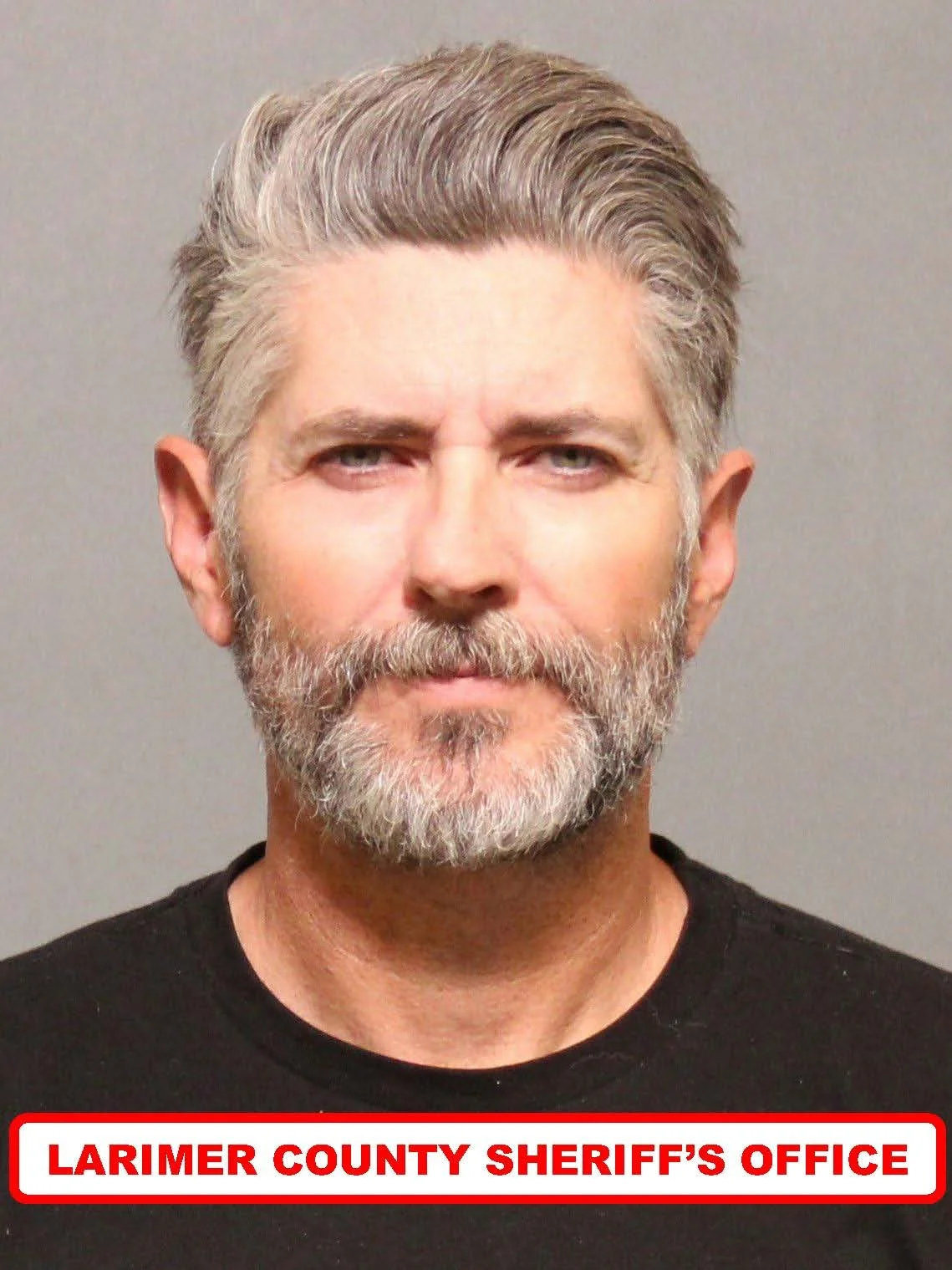
Jason Alexander Hobby
Denver 7 News recently reported on the arrest of Jason Alexander Hobby, a Colorado resident suspected of starting the Alexander Mountain Fire in Larimer County. The article does a deep dive into Hobby and his obsession with firefighting and law enforcement. Hobby is a classic wannabe.
Wannabes generally are a subset of firefighter/emergency-services arsonists. The typical motive for the wannabe arsonist is heroism/recognition. Based on the reporting by Denver 7 News, there are multiple red flags in Hobby’s history.
“Hobby was the "self-proclaimed 'fire manager' of the Sylvan Dale Guest Ranch,” he "conducting unauthorized armed (firearm) law enforcement duties on the property, by wearing a uniform with law enforcement 'Ranger' insignia, and operating several vehicles with a 'Ranger' star on the door.” During a search warrant service, investigators found clothing from various agencies, including the U.S. Forest Service, Colorado Wildland Fire Management and Montrose Wildland Fire, and they also found shirts that read "Chief Hobby" on it. Additionally they found items that had emblems of "Twin Buttes Fire Protection," however investigators could not identify that department anywhere. They also found that he owned a modified Ford with the same logos. It had been outfitted to look like a fire response vehicle. He allegedly drove the outfitted Ford to bypass road closures and access restricted areas during the Alexander Mountain Fire, representing himself to be a wildland firefighter, Larimer County Sheriff John Feyen said in a press conference in the fall of 2024.”
While not all wannabes are arsonists, investigators should carefully scrutinize anyone who displays these tendencies. However, investigators must do their due diligence and avoid fixating on a suspect merely because they “fit the profile.” There are many cases in which investigators fixated on a person only to discover they had nothing to do with the arson. It is an investigator’s responsibility not only to identify a suspect, but also to exonerate anyone who may have been considered a potential suspect.
Update 6/19/26: Article Link Arson charges against Hobby have been dropped by prosectors. "As our office and law enforcement have prepared this case for trial, additional investigation was completed that shed new light on the initial circumstantial evidence that led to Mr. Hobby's arrest on the Arson charge and directly contradicts the original theory of the case," the district attorney's office said in a statement. "It would be unethical for a District Attorney's Office to pursue a prosecution in which they did not believe the correct person was charged.”
This is a great example of how investigators can focus solely on an individual due to a misguided “arson profile.” Investigators were not wrong in including Hobby in their investigation. Although, with the lack of further evidence linking him to the fire, they should not have arrested him. The prosecutor in this case did the right thing by dropping the charges. Unfortunately, it took nearly two years to drop the charges.
As investigators, we must remember it is our job to also exonerate those who we may have considered a suspect or person of interest during our investigation. This is important not only for peace of mind for the individual, but also to show in our case file why we considered this person and how we eliminated them as a suspect. It is better to have this in your case file now rather than trying to explain years from now to a jury on how you did or did not eliminated a potential suspect.
For more information on arson motives, check out Ed Nordskog’s book The Arsonist Profiles.